
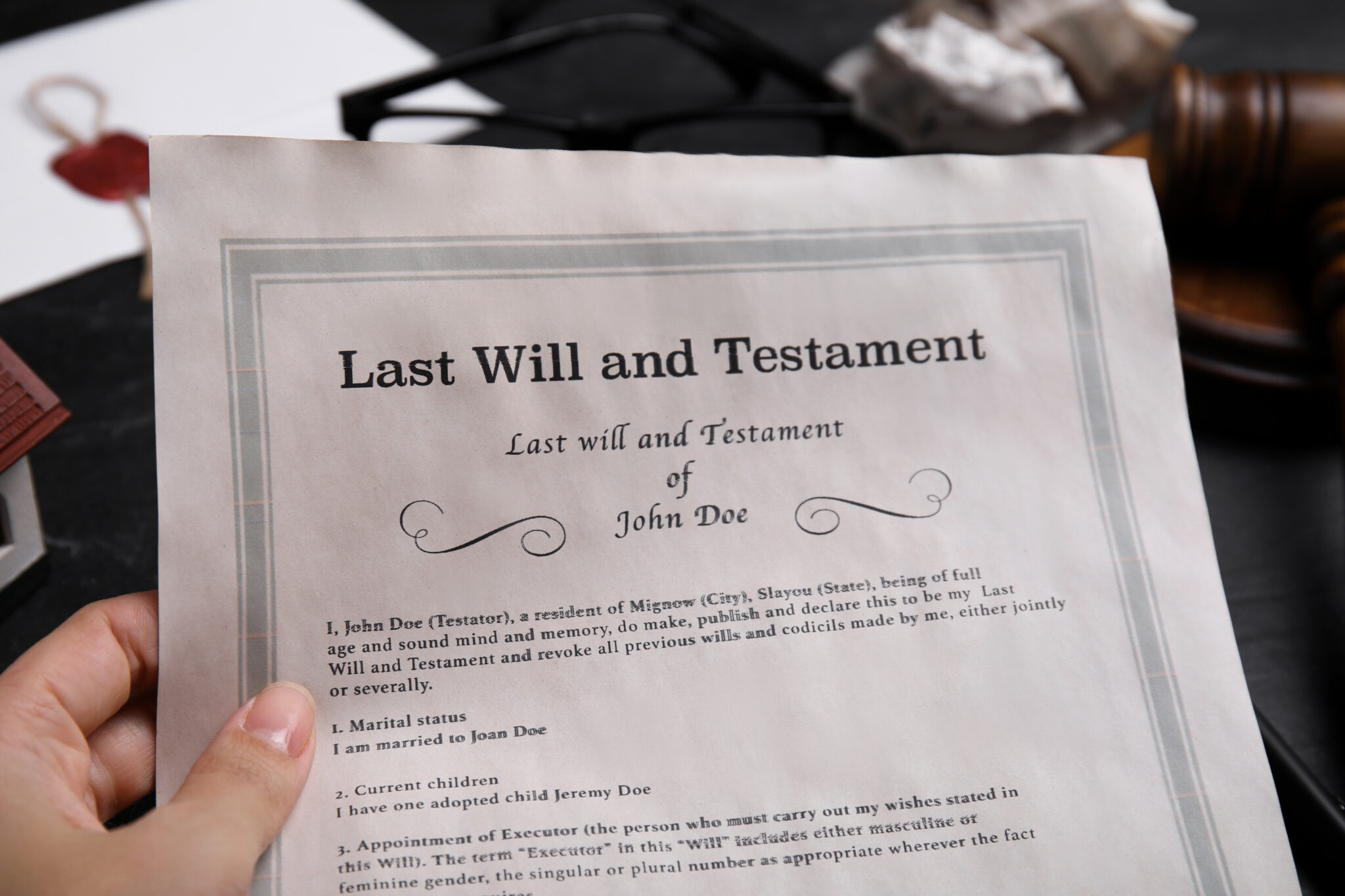
Around 60% of adults in the UK don’t have a will. Most of them know they should probably sort one out. Most of them will read an article like this, nod along, and then not do it.
If you’re in that group, here are five reasons to actually get it done — not vague ones about “peace of mind,” but specific, practical reasons why the absence of a will causes real problems for real families.
Reason 1: The law decides who gets your money — not you
If you die without a will in England and Wales, the intestacy rules kick in. These are fixed legal rules that determine who inherits your estate.
Married with children? Your spouse gets the first £322,000 plus half of anything above that, with the rest going to your children. Sounds reasonable — until you realise that’s not necessarily what you’d have chosen.
Unmarried with a long-term partner? Your partner gets nothing under intestacy rules. Nothing, regardless of how long you’ve been together, whether you have children together, or whether they depend on you financially. Everything goes to your blood relatives.
A will means you decide. Not the state.
"60% of UK adults don't have a will. Here are five very specific reasons that needs to change."
Reason 2: Your children need a guardian named somewhere
If you have children under 18 and you die without a will, there’s no legal document specifying who should look after them. The court decides. That might work out fine. Or it might not result in the outcome you’d have chosen.
A will lets you name a guardian — someone you trust, someone who knows your children, someone whose values align with yours. It’s one of the most important decisions a parent can make, and a will is the only way to make it legally binding.
Reason 3: Unmarried partners have almost no rights
This catches people off guard more than anything else on this list. There is no such thing as a common-law spouse in English law. A partner you’ve lived with for twenty years, who you own a house with and have children with, has no automatic right to inherit anything from your estate if you die without a will.
They may be able to make a legal claim against the estate under the Inheritance Act, but that takes time, costs money, and causes enormous stress during an already devastating period.
A will takes fifteen minutes to fix this. Without one, it’s a genuine legal vulnerability.
Reason 4: Wills reduce family disputes
Grief does strange things to families. Clear instructions in a will don’t eliminate the possibility of conflict, but they dramatically reduce it. When everyone knows what the deceased intended, there’s less room for disagreement — and less incentive to challenge the outcome in court.
Without a will, assumptions fill the gap. What would they have wanted? Who did they mean to leave that to? The resulting disputes can be lengthy, expensive, and permanently damaging to family relationships.
Reason 5: If you own a business, a will is essential
Business owners have an additional layer of complexity. What happens to your shares in the business when you die? Who takes control? Does the business have to be sold to pay estate debts?
Without a will, your business interest forms part of your estate and is distributed according to the intestacy rules — which may result in it going to someone with no interest in or knowledge of the business, forcing a sale or creating conflict among remaining partners.
Business protection planning and will writing go hand in hand. If you run a business and you don’t have a will, this is urgent.
We write wills for free
We include professional will writing as a standard part of our service — at no cost to you. Not because it’s a marketing gimmick, but because we genuinely believe a protection policy without a will is incomplete.
Arranging your will through us takes no extra time. We handle it alongside your insurance review.