
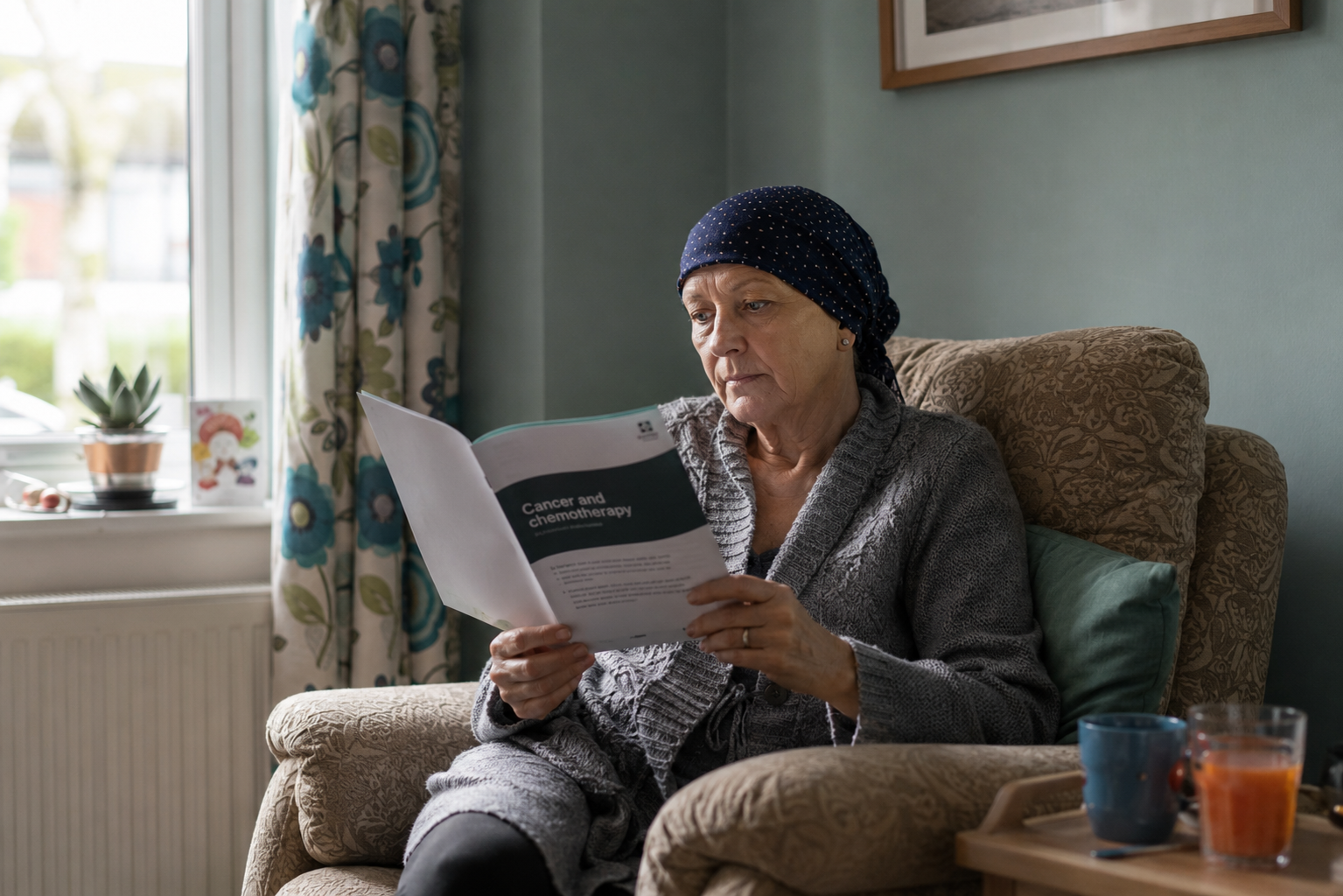
That statistic from Cancer Research UK has been doing the rounds for a while now, and it still stops people cold.
One in two. Fifty percent. Half of us, at some point in our lives, will be diagnosed with cancer.
Most people’s reaction is emotional — a moment of soberness, a thought about family members, perhaps a reminder to book an overdue check-up. What fewer people think about is the financial dimension. And that’s a conversation worth having.
Treatment is the easy part (relatively speaking)
The NHS does extraordinary work treating cancer, and for most people, treatment costs aren’t the primary financial worry. What is a worry is everything that happens around treatment.
Time off work. Sometimes months of it. Sometimes longer. Reduced income, or none at all, while the bills don’t stop. Travel to appointments — which can be frequent, far, and expensive. Adaptations at home if you need them. Private consultations or second opinions. Childcare while you attend treatment. A partner who takes time off work to support you.
The financial cost of cancer extends well beyond the treatment itself. And it falls on families at the worst possible time.
"One in two. That's the statistic. The financial preparation most people skip is the bit that protects your family."
What financial protection looks like
There are two main products designed to protect you against the financial impact of a serious diagnosis.
Critical illness cover pays you a tax-free lump sum when you’re diagnosed — money you can use however you need to. Pay down the mortgage. Cover lost income. Fund private treatment. Buy yourself time to recover without financial pressure.
Income protection pays you a monthly income while you can’t work. It’s designed for the recovery period — keeping the regular bills covered while you focus on getting better rather than on paying for everything.
The two work well together, covering different financial needs. A lump sum at diagnosis. An ongoing income while you recover.
The timing issue
Here’s the thing about protection insurance and cancer: it only works if you have it before the diagnosis.
Once you’ve been diagnosed, insurers won’t cover you for that condition. And if you have a diagnosis of any kind of cancer on your medical records, your ability to get insurance at standard terms — or at all — becomes much harder.
This isn’t a sales pitch dressed up as health advice. It’s just arithmetic. The best time to put this cover in place is now, when you’re healthy, when premiums are lowest, and when there are no questions to answer about pre-existing conditions.
The will and trust conversation
Separately from insurance — a serious diagnosis has a habit of making people think about wills and lasting powers of attorney for the first time.
If you’ve been meaning to write a will and you haven’t yet, a cancer diagnosis is a powerful reminder of why it matters. And an LPA — which gives a trusted person legal authority to make decisions on your behalf if you lose capacity — is something that needs to be in place before you need it. You can’t set one up once you’ve lost capacity to do so.
We help families put these pieces in place, and we include will writing as part of our service — because we think it should be part of the conversation, not an afterthought.